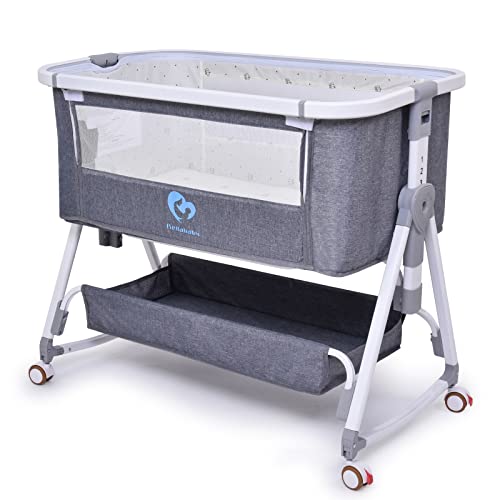
Choosing the Right Bedside Cot for First-Time Parents
The shift to ending up being a parent is filled with happiness, enjoyment, and a myriad of duties. For first-time parents, among the considerable decisions they deal with is choosing the right sleeping plan for their newborn. One popular option gaining traction is the bedside cot, likewise known as a co-sleeper. This post will check out the various elements of bedside cots, offering an extensive guide for first-time parents to help them make notified options.
What is a Bedside Cot?
A bedside cot is a specifically created crib that attaches to the side of the adult bed, permitting parents to keep their newborn close throughout the night while making sure the baby has their own safe sleeping space. This set-up promotes much easier breastfeeding, soothing, and monitoring of the baby without the dangers associated with sharing a bed.
Benefits of a Bedside Cot
- Security: Bedside cots are developed to provide a protected sleeping area for the baby, minimizing the threats connected with bed-sharing.
- Convenience: Parents can easily access their baby without requiring to get out of bed, making nighttime feedings and diaper changes easier.
- Bonding: Having the baby close by motivates bonding and reassurance, alleviating adult stress and anxiety.
- Sleep Quality: With a bedside cot, parents can sleep more comfortably knowing their baby neighbors while still having their own space.
Kinds Of Bedside Cots
When choosing a bedside cot, first-time parents will encounter different designs and functions. Here are the primary types:
| Type | Description | Functions |
|---|---|---|
| Standard Co-Sleeper | A crib that attaches firmly to the bed, allowing parents to reach the baby easily. | Adjustable height, detachable side panel |
| Mini Cot | Smaller than a basic crib, great for space-saving in small spaces. | Light-weight, portable, frequently features wheels |
| Convertible Cot | A versatile choice that converts from a bedside cot to a standalone crib. | Lasting, can adapt as the baby grows |
| Pack 'n Play | A portable play lawn that can be used as a bedside cot for travel. | Versatile, folds quickly, consists of altering table |
Key Features to Consider
Selecting the best bedside cot involves more than just choosing a style. Parents need to consider the following features:
- Safety Standards: Ensure the cot meets safety policies to protect the baby.
- Height Adjustability: A cot that can adapt to the height of the parents' bed supplies much better access and convenience.
- Alleviate of Assembly: Many cots are developed for quick, easy assembly and disassembly, which is helpful for hectic new parents.
- Mobility: Lightweight and portable alternatives are ideal for families who travel often.
- Mattress Quality: A company, breathable mattress is vital for the baby's safety and convenience.
- Storage Capabilities: Some cots come geared up with shelves or storage compartments for baby essentials, which can help keep things organized.
Tips for Safe Sleeping Practices
Even with the safest bed linen arrangements, parents should constantly follow safe sleeping practices to protect their newborns. The following standards ought to be abided by:
- Place the baby on their back: Always lay the baby to sleep on their back to reduce the danger of Sudden Infant Death Syndrome (SIDS).
- Use a firm bed mattress: Ensure the bed mattress fits comfortably in the cot with no sagging or gaps.
- Prevent soft bed linen: Keep pillows, blankets, and stuffed animals out of the baby's sleeping area.
- Monitor the baby's temperature level: Overheating can be a risk factor for SIDS; dress the baby appropriately for the weather.
Regularly Asked Questions (FAQs)
1. Are bedside cots safe for newborns?
Yes, when following the maker's guidelines and adhering to safe sleeping practices, bedside cots can be a safe sleeping choice for newborns.
2. Can a bedside cot be used for co-sleeping?
Yes, a bedside cot permits closeness in between parents and the baby without the threats associated with bed-sharing. It offers a separate sleeping area while being quickly accessible.
3. How long can a baby use a bedside cot?
This generally depends upon the size of the cot and the baby's development. The majority of bedside cots can be used until the baby reaches around 6 to 12 months or has the ability to climb up out.
4. Do I need to purchase unique bed linen for a bedside cot?
A lot of bedside cots use standard crib bed linen, however it's important to check the producer's suggestions for sizes and kinds of bed linen appropriate for the particular cot.
5. Can bedside cots be used for travel?
Yes, numerous bedside cots are created with portability in mind. Some can easily fold and include carrying cases for convenient travel.
For first-time parents, the choice of sleeping arrangements for a newborn can be intimidating. Bedside cots use a great compromise in between nearness and security, motivating bonding while making sure the baby has a safe space to sleep. By exploring my homepage , features, and security guidelines, new parents can make informed choices that finest fit their family's requirements. With the right bedside cot, parents can take pleasure in peaceful nights and confident take care of their newborn.